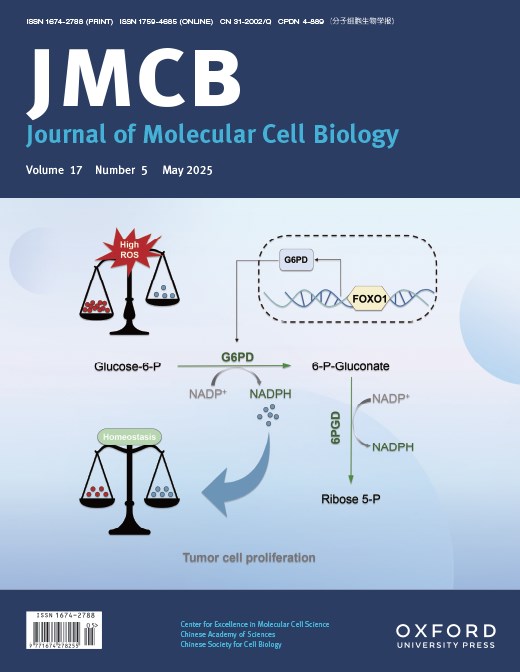
Metabolic adaptability, controlled by transcription factors or oncogenes, is critical for the survival of cancer cells. However, the mechanism by which the transcription factor forkhead box protein O1 (FOXO1) regulates the proliferation and survival of malignant tumor cells under high levels of reactive oxygen species (ROS) remains poorly understood. Here, we found that FOXO1 endows cancer cells with the strong antioxidative capacity and rapid proliferation. By upregulating the expression of glucose-6-phosphate dehydrogenase (G6PD), the rate-limiting enzyme in the pentose phosphate pathway, FOXO1 promotes the synthesis of nicotinamide adenine dinucleotide phosphate and ribose 5-phosphate and thus enhances the antioxidative and proliferative capabilities of cancer cells. Induction of G6PD expression in FOXO1-deficient cells mitigates tumor growth inhibition and alleviates ROS level elevation. These results establish a critical role of FOXO1 in the regulation of G6PD during the antioxidative and proliferative processes of cancer cells.